
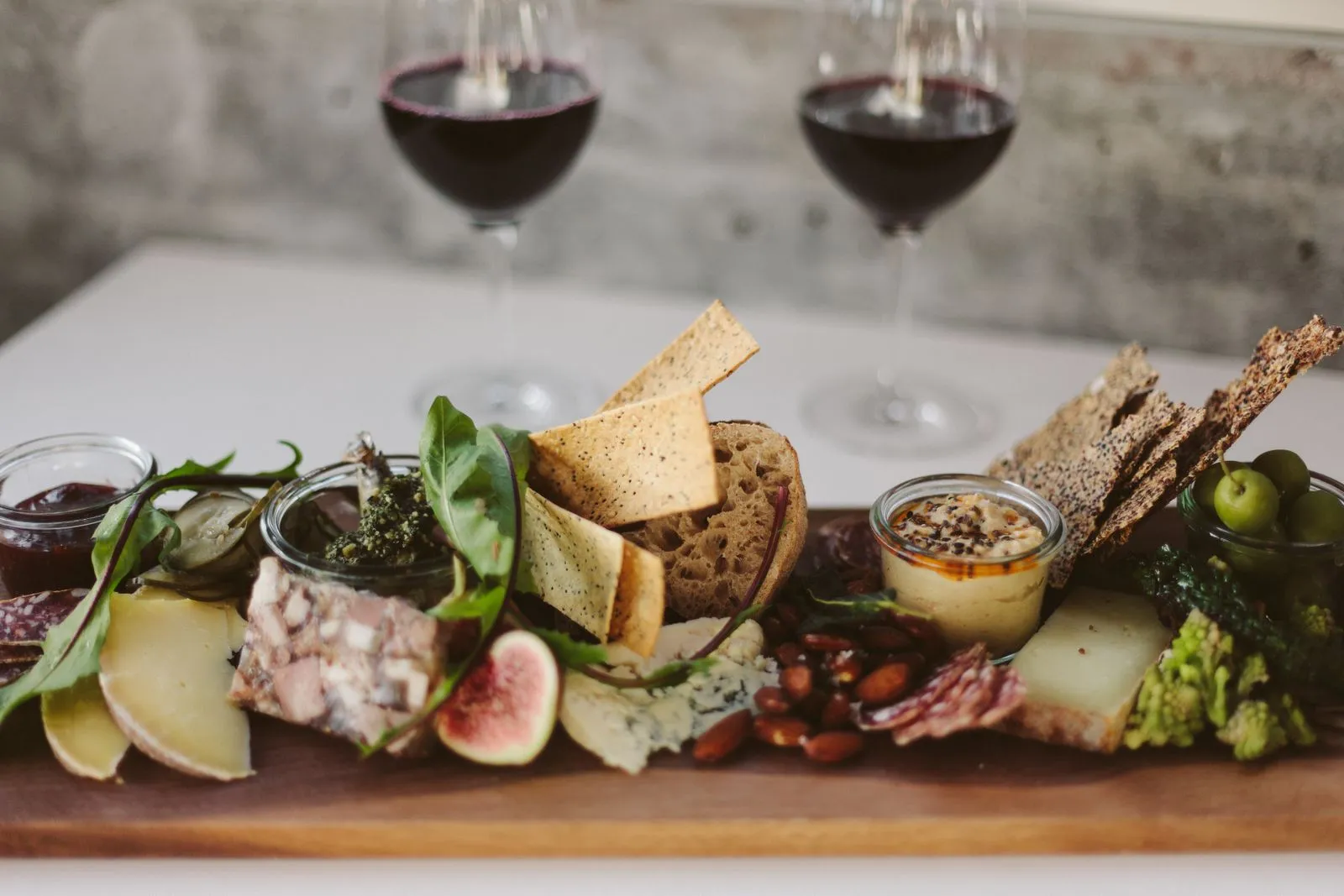
Pairing wine with food can be simple: match the wine’s weight to the dish, then look for flavors that complement or balance each other. Native grape wines come in a range of styles, so begin with the bottle’s sweetness, acidity, and body rather than assuming every wine will pair the same way. These practical ideas can help you choose a bottle for dinner, a snack board, or a casual gathering without turning the meal into a test.
Start with the Wine’s Style
Check the label or ask the winery whether the wine is dry, off-dry, or sweet. A dry wine often works well with savory foods, while a sweeter wine can balance salty, spicy, or tangy flavors. If you are unsure, taste a small sip before serving and notice whether the wine feels crisp, rich, fruity, or sweet.
Consider body and acidity, too. Lighter wines tend to suit delicate dishes and snacks; fuller wines can stand up to richer flavors. A wine with noticeable acidity can refresh the palate between bites of creamy cheese, fried food, or a rich sauce. These are useful starting points, not strict rules.
Pairings for Everyday Meals
For a dry, crisp native grape wine, try roasted chicken, grilled vegetables, fresh salads, or fish with herbs and lemon. The wine’s freshness can complement bright flavors without overwhelming them. If the dish includes a creamy dressing or sauce, acidity can help keep each bite feeling balanced.
For a fuller or fruit-forward wine, consider roast pork, burgers, mushroom dishes, or tomato-based pasta. If the wine has a touch of sweetness, it may also work with gently spicy foods. Keep the seasoning in view: very hot chile can make some wines taste sharper, so serve the wine slightly cool and choose moderate heat.
Build an Easy Snack Board
A simple board can include two cheeses, crackers or bread, fruit, and something salty. Pair crisp wines with fresh goat cheese, mild cheddar, apples, or pears. For a sweeter wine, try a stronger or saltier cheese, toasted nuts, or dried fruit. Put out small portions so guests can sample combinations and find what they enjoy.
For casual snacks, match the wine to the main flavor. Popcorn, pretzels, and chips bring salt that can work nicely with fruit-forward styles. Savory dips and roasted nuts suit wines with enough body to hold their own. If you are serving several wines, offer plain crackers and water so guests can reset between tastings.
Make Gatherings Easy
When serving a group, offer a choice of styles rather than trying to find one bottle for every dish. A crisp, dry option and a fruitier or sweeter option give guests flexibility. Label each bottle with a brief description, such as “dry and bright” or “soft and fruity,” and set out foods that range from mild and savory to salty and sweet.
Serve the wine at a comfortable cool temperature, adjusting based on its style, and avoid filling glasses too far. Let guests taste the wine with food before deciding whether the pairing works for them. Personal preference matters: if a combination tastes good to you, it is a good pairing for your table.
Begin with the wine’s sweetness, body, and acidity, then pair it with foods of similar weight or flavors that provide contrast. A few cheeses, seasonal fruit, and familiar savory dishes are enough to explore different combinations. For more ideas, ask Lakewood Native Wines about the style of a bottle you are considering.